Latest News

Breaking

Menampilkan postingan yang diurutkan menurut tanggal untuk kueri vitamin d deficiency. Urutkan menurut relevansi Tampilkan semua postingan

Sabtu, 04 Desember 2021

Desember 04, 2021

B Complex And Vitamin C Together

B Complex And Vitamin C Together

We include products we think are useful for our readers. If you buy through links on this page, we may earn a small commission. Here's our process.

Many people take vitamins and dietary supplements, sometimes to manage deficiencies. No scientific evidence suggests that the time of day at which a person takes them reduces or enhances their effectiveness. It is most important to take them consistently.

Taking some vitamins at a specific time, however, may reduce the risk of adverse effects. For example, depending on the type of vitamin, taking a supplement alongside a meal can boost how much of it the body absorbs and improve its impact on overall health.

In this article, we explain the ideal circumstances in which to take different types of vitamins.

a person taking vitamins at a recommended time Share on Pinterest
Taking certain vitamins at a certain time may help prevent adverse effects.

Different vitamins work in different ways. This means that some have special considerations on how to take them and whether or not people can eat meals alongside them.

Although research has a few recommendations for preventing side effects, science generally does not support any specific recommendations for taking vitamins at particular times.

It is more important that people do not experience any breaks in their daily supplementation of a vitamin, especially if they are taking it to manage a deficiency.

In general, it is better to avoid supplements altogether and get sufficient nutrition from a balanced diet. However, when vitamin supplements are necessary, people should be able to fit them into their schedule easily. Timings for supplementation are mostly flexible.

The sections below discuss different types of vitamins and when might be best to take them.

The human body does not naturally produce or store water-soluble vitamins. People therefore need to consume these vitamins from animal, plant, and sometimes supplemental sources.

Types of water-soluble vitamins include vitamin C and most B vitamins.

Vitamin C is safe to take in recommended amounts at any time of day. It occurs naturally in a variety of plant products, including orange juice, grapefruit, and lemons.

The body does not store vitamin C, so people should take it on a daily basis, ideally in small doses throughout the day.

Vitamin C supplements are available for purchase online.

When to take B vitamins

People tend to take B vitamins to boost energy and reduce stress.

There are eight different types of B vitamins, each of which has a separate function for the body. The types of B vitamins are:

  • thiamin
  • riboflavin
  • vitamin B-6
  • niacin
  • biotin
  • vitamin B-12
  • folic acid
  • pantothenic acid

It is generally safe to take several B vitamins at the same time. Some companies also offer vitamin complexes, which are combinations of the daily amount of each B vitamin.

B vitamin complex supplements are available for purchase online.

Because of its energy-boosting abilities, the best time of day to take a B vitamin is after waking up. Also, recent research indicates that vitamin B-6 may potentially interfere with sleep and induce vivid dreams. To avoid this adverse effect, people may wish to take them earlier in the day.

Even though B vitamin supplements are safe to consume, it is most beneficial to obtain these nutrients from food sources.

Here, learn more about B vitamins.

Fat-soluble vitamins are necessary in small doses. However, taking large doses of fat-soluble vitamins can be harmful or toxic to a person's body.

Cooking food does not get rid of its fat-soluble vitamin content. Usually, a person will get all the fat-soluble vitamins they need from the diet and do not need to supplement them.

Some examples of fat-soluble vitamins include:

  • vitamin A
  • vitamin D
  • vitamin E
  • vitamin K

Fat-soluble vitamins dissolve in oil. For this reason, people who do need to supplement fat-soluble vitamins should take them alongside meals to enhance absorption.

However, most people who eat a balanced range of nutrients will get enough fat-soluble vitamins through their regular diet.

The United States Preventive Services Task Force suggest that women who are considering becoming pregnant take a 0.4 to 0.8 milligram (mg) folic acid supplement daily before conception.

Likewise, the National Institute of Child Health and Human Development suggest that women take prenatal vitamins daily, particularly folic acid.

Prenatal vitamins that combine folic acid with other nutrients, such as iron or calcium, are also available.

Considerations

Taking some prenatal vitamins on an empty stomach may cause indigestion and nausea, according to a 2019 review. If a prenatal vitamin increases feelings of nausea, a woman can consider taking the vitamin with a small amount of food.

Even though the review reported that this does not often occur, taking prenatal supplements with food can reduce the risk of feeling nauseated.

There are a wide variety of prenatal vitamins available, and a woman should exercise caution when choosing which to take during pregnancy. Although many are similar, each may contain differing amounts of nutrients and ingredients, and the Food and Drug Administration (FDA) do not regulate supplements.

Before starting to take prenatal vitamins, a woman should talk to her doctor for suggestions and recommendations. It is possible to consume too many vitamins, and this can cause adverse effects for the woman or the fetus.

Importantly, women should not take double doses of prenatal vitamins.

Prenatal supplements are available for purchase online.

Read more on prenatal vitamins here.

The human body needs both vitamins and minerals to function. As with vitamins, minerals are available over the counter as supplements. There are many claims about the benefits of mineral supplements for health.

Some examples of minerals include:

  • iron
  • calcium
  • magnesium
  • zinc

People should always exercise caution before taking a mineral supplement. They may offer benefits, particularly for those with a nutrient deficiency, but most research into mineral supplements has been observational, and laboratory studies have been inconclusive.

It is also possible to take too much of a mineral, which can have harmful effects.

People should take minerals daily with food. Taking mineral supplements without food might result in side effects, such as an upset stomach.

There is more and more research indicating that taking vitamins has neither a beneficial nor an adverse effect for most people who take them regularly. For example, a 2019 prospective study found no association between taking dietary supplements and a reduced overall risk of mortality.

People should always approach vitamin use with caution, as they may have unintended consequences if a person combines them with prescription or over-the-counter (OTC) medications.

There are some vitamins, such as vitamin E and beta-carotene, that may be harmful or even fatal if a person takes large doses.

Women should take particular care when choosing supplements to take during pregnancy. For example, according to a 2019 review of literature, high levels of vitamin A can cause congenital irregularities.

However, in the form of beta-carotene, research found no connection between consuming supplements and adverse effects. Folic acid, in particular, can help with the fetus's development and prevent spina bifida.

Experts suggest that the best method to obtain vitamins is not through supplements at all.

They recommend that people eat a range of nutrient-rich foods, including:

  • kale
  • spinach
  • nuts
  • fruits
  • low fat meats

A nutritious, well-rounded diet seems to be the key to good health, rather than a course of vitamin supplements.

That said, a person should take a multivitamin if they have a deficiency, to help complete the diet.

Also, little research is available that supports vitamin supplementation for preventing heart disease, according to a 2016 review of studies.

Still, most vitamins offer no known adverse effects for the majority of people. That said, people who regularly take prescription or OTC medication should consult their doctor before taking any vitamin supplements.

Find out more about different vitamins and their effects on the body here.

People should take care when considering the use of vitamin and mineral supplements.

Caution is necessary because the link between claims of effectiveness and actual benefits may vary greatly. Also, many vitamins and minerals can be harmful if a person takes them in large doses.

Some vitamins may also interact adversely with a person's regular medications.

There is limited evidence from independent researchers to suggest that vitamin supplements have any significant effects on overall health.

The time of day at which a person takes a supplement will rarely make a difference, except in reducing the risk of some rare adverse effects of specific B vitamins.

If people do need to take vitamins for a deficiency or to support health during pregnancy, they may need to take the supplement alongside food for better absorption.

Before starting to take a vitamin supplement, a person should consult a doctor to make sure that it will be safe. People should always try to get vitamins and nutrients from reputable outlets, particularly those that specialize in whole foods.

B Complex And Vitamin C Together

Source: https://www.medicalnewstoday.com/articles/319556

Rabu, 01 Desember 2021

Desember 01, 2021

Can Vitamin C Cause Inflammation

Can Vitamin C Cause Inflammation

Drug Des Devel Ther. 2015; 9: 3405–3412.

Effect of vitamin C on inflammation and metabolic markers in hypertensive and/or diabetic obese adults: a randomized controlled trial

Mohammed S Ellulu

1Department of Nutrition and Dietetics, Faculty of Medicine and Health Sciences, Universiti Putra Malaysia, Serdang, Malaysia

Asmah Rahmat

1Department of Nutrition and Dietetics, Faculty of Medicine and Health Sciences, Universiti Putra Malaysia, Serdang, Malaysia

Ismail Patimah

2Department of Biomedical Science, Faculty of Medicine and Health Sciences, Universiti Putra Malaysia, Serdang, Malaysia

Huzwah Khaza'ai

2Department of Biomedical Science, Faculty of Medicine and Health Sciences, Universiti Putra Malaysia, Serdang, Malaysia

Yehia Abed

3Faculty of Public Health, Al-Quds University, Gaza City, Palestine

Abstract

Background

Obesity is well associated as being an interfering factor in metabolic diseases such as hypertension and diabetes by increasing the secretion of proinflammatory markers from adipose tissue. Having healthy effects, vitamin C could work as an anti-inflammatory agent through its antioxidant capacity.

Registration

Registration number: FPSK_Mac [13]04.

Objective

The aim of the study reported here was to identify the effect of vitamin C on reducing the levels of inflammatory markers in hypertensive and/or diabetic obese adults.

Subjects and methods

Sixty-four obese patients, who were hypertensive and/or diabetic and had high levels of inflammatory markers, from primary health care centers in Gaza City, Palestine, were enrolled into one of two groups in an open-label, parallel, randomized controlled trial. A total of 33 patients were randomized into a control group and 31 patients were randomized into an experimental group. The experimental group was treated with 500 mg vitamin C twice a day.

Results

In the experimental group, vitamin C significantly reduced the levels of high-sensitivity C-reactive protein (hs-CRP), interleukin 6 (IL-6), fasting blood glucose (FBG), and triglyceride (TG) after 8 weeks of treatment (overall: P<0.001); no changes appeared in total cholesterol (TC). In the control group, there were significant reductions in FBG and TG (P=0.001 and P=0.026, respectively), and no changes in hs-CRP, IL-6, or TC. On comparing the changes in the experimental group with those in the control group at the endpoint, vitamin C was found to have achieved clinical significance in treating effectiveness for reducing hs-CRP, IL-6, and FBG levels (P=0.01, P=0.001, and P<0.001, respectively), but no significant changes in TC or TG were found.

Conclusion

Vitamin C (500 mg twice daily) has potential effects in alleviating inflammatory status by reducing hs-CRP, IL-6, and FBG in hypertensive and/or diabetic obese patients.

Keywords: obesity, hypertension, diabetes, anti-inflammatory, adiposity, Vitamin C

Introduction

Vitamin C is a water-soluble reducing agent and antioxidant due to its characteristic of donating an electron, and all of its metabolic roles are probably due to this function. It acts as an electron donor for eight human enzymes and neutralizes free radicals to protect from damage.1 Because of its structural similarity to glucose, it can replace glucose in many chemical reactions, and it can prevent the non-enzymatic glycosylation of proteins.2 A possible mechanism for the beneficial effect of plasma vitamin C on heart failure may relate to the fact that it enhances arterial dilation through its effect on nitric-oxide release,3 as it protects tissues from oxidative stress and thus plays an important role in preventing diseases.1 Large epidemiological studies have reported that dietary intake of antioxidants inversely correlates with hypertension.4,5 Particularly, treatment with ascorbic acid has been reported to significantly improve systolic blood pressure and diastolic blood pressure in mild-to-moderately hypertensive patients.6 Vitamin C can also protect against consequences of diabetes mellitus (DM) like diabetic retinopathy,7 improve high-density lipoprotein-cholesterol (HDL-c),8,9 and improve endothelial function.10

Adiposity is defined as an accumulation of body fat that predisposes to metabolic syndrome. The hypothesized physiological mechanism is the state of chronic low-grade inflammation that is associated with excess adipose tissue. It may explain the development of obesity-related pathologies, such as type-2 DM and cardiovascular disease.11 Further, obesity plays an important role in the development of insulin resistance that triggers the associated comorbidities of metabolic syndrome, such as atherosclerosis, dyslipidemia, hypertension, prothrombotic state, and hyperglycemia.12 The link between obesity and inflammation has been derived from the finding that the proinflammatory cytokines tumor necrosis factor-alpha (TNF-α) and interleukin 6 (IL-6) are overexpressed in obesity.13 A high level of cytokines generally, and IL-6 particularly, is associated with decreased nitric oxide and increased reactive oxygen species, which lead to endothelial and microvascular dysfunction.14 Accordingly, increased serum level of IL-6 stimulates the liver to synthesize and secrete the low-grade systemic inflammatory marker C-reactive protein (CRP).15

Through the production of reactive oxygen species, the inflammatory process may deplete stores of antioxidants, including vitamin C;16 so, its usage in treating inflammation associated with diseases has been considered. It is used with cancers,17,18 gastritis,19 lung diseases, and asthma.20 However, Jialal and Singh21 asked whether vitamin C acts as an anti-inflammatory agent. They discussed studies relating vitamin C with CRP through cross-sectional assessment rather than clinical trials.

The objective of the study reported here was to evaluate the effect of vitamin C on inflammatory markers (serum level of IL-6 and CRP) in hypertensive and/or diabetic obese adults. We also aimed to find out the change in metabolic markers – fasting blood glucose (FBG) and lipid-profile factors, total cholesterol (TC), and triglyceride (TG) – after 8 weeks of vitamin C intervention.

Subjects and methods

Study population

Eligible participants were obese (body mass index [BMI] ≥30 kg/m2), hypertensive, and/or diabetic patients between 20 and 60 years of age who systemically visited primary health care centers for follow-up at three locations in Gaza City, Palestine. The diagnosis and selection of hypertensive and diabetic cases depended on patients' self-reporting and this was then proven by patients' medical history records obtained from the health care center. All of the diabetic patients had type-2 DM. Participants were eligible if they had a high CRP level (high-sensitivity C-reactive protein [hs-CRP] ≥6 mg/L). Patients were excluded if they had any acute illness within the past 2 weeks, regularly used nonsteroidal anti-inflammatory drugs (naproxen and cyclooxygenase-2 inhibitors) and/or cholesterol-lowering agents (statins), suffered from systemic and inflammatory diseases that change physical or laboratory tests (arthritis, renal, thyroid, hepatic, respiratory, gout, active malignant disease, pregnancy, breastfeeding), and/or documented intolerability to vitamin C.

Study design and intervention

The clinical trial was randomized, open-label, controlled, and parallel, and performed in compliance with the WMA [World Medical Association] Declaration of Helsinki: Ethical Principles for Medical Research Involving Human Subjects adopted by the 18th WMA General Assembly, Helsinki, Finland, June 1964, and amended by 59th WMA General Assembly, Seoul, Korea, October 2008 (number: PHRC/HC/11/13, March 4, 2013). The trial was approved by the Ethics Committee of Universiti Putra Malaysia (June 21, 2013). It was conducted at the Ministry of Health primary health-care centers in Gaza City, Palestine, and followed the Good Clinical Practice guidelines of the Department of Clinical Research, Faculty of Public Health, Al-Quds University.

Recruited patients were randomly assigned to a vitamin C treatment (experimental) group or control group using manual-blocks formation based on the rolling of a die. Patients in the experimental group were assigned to treatment with 1 g vitamin C per day (500 mg twice per day), while the control group was kept free of supplements. The vitamin C was supplied in tablets (C-Tamin-500 Tablets; Rekah Pharmaceutical Industry Ltd, Holon, Israel) containing 500 mg vitamin C. The decision to use 1 g of vitamin C daily was made based on the previous study of Block et al.22 In that study, they used 515 mg of vitamin C for 8 weeks, the obtained variance between means (after treatment-baseline) of hs-CRP was 0.5 mg/L. In the present study, additional double variance was needed to range between 0.9 and 1.0 mg/L, which required a double dose of vitamin C.

Participants in both groups were advised to maintain constant daily lifestyle habits unless they progressed to any of the excluding criteria. Based on an adapted form of Global Physical Activity Questionnaire (v 2),23 the majority of participants indicated they undertook a low level of physical activity (PA), while the remaining participants indicated they undertook a moderate level of PA. None of the participants said they undertook a high level of PA before or during the trial. The participants were distributed in approximate equality in terms of smoking habit, which was evaluated by an adapted and modified form of the Behavioral Risk Factor Surveillance System.24 In terms of smoking status, each patient was categorized as a current smoker, past smoker, passive smoker, or nonsmoker.

The intervention continued for 8 weeks, and the participants returned for follow-up visits every 2 weeks. At study baseline (randomization time), we performed anthropometric measurements (BMI, waist circumference [WC], and blood pressure [systolic and diastolic]) and blood sampling. We measured systemic inflammatory markers (hs-CRP and IL-6) and metabolic markers (FBG, TC, and TG).

Sample size was estimated as 32 per a group to detect a reduction in inflammatory and metabolic markers at a P-value 0.05 with a power of 90%, and a dropout rate of 10% was expected. Thus, we aimed to recruit 72 patients.

Tools

A Seca Stadiometer used to assess BMI according to the World Health Organization (WHO) classification25 (underweight: <18.5 kg/m2; normal weight: 18.5≤25.0 kg/m2; overweight: 25.0≤30.0 kg/m2; obese: ≥30 kg/m2), and a Seca 201 nonelastic tape was used to determine WC according to the National Institute for Health and Clinical Excellence classification26 (male: normal <102 cm, high ≥102 cm; female: normal <88 cm, high ≥88 cm).

Quantitative method was used to assess FBG, TC, TG, and hs-CRP. A CRP turbidimetric latex 1:5 kit used to assess hs-CRP, an enzymatic colorimetric method with glucose oxidase was used to estimate FBG, and commercial kits were used to assess TC and TG. All quantitative data were evaluated using a Mindray BS-120 Chemistry Analyzer. IL-6 was assessed using enzyme-linked immunosorbent assay kits (Sigma-Aldrich Co) via One-Run reading.

Blood was collected by a trained nurse or physician of the health center. A 7 mL blood sample was drawn into a polyethylene evacuated tube then divided into two separate tubes. One of the tubes of blood was used to evaluate quantitative biochemical measures (hs-CRP, FBG, TC, and TG), and the other was stored at −80°C, after separation of serum, for analysis through one-run of an enzyme-linked immunosorbent assay reader to assess IL-6.

All participants completed an informed consent form before attending the study sessions and blood-sample collection. All participants were assured of confidentiality and any required information was provided to them. It was clearly explained to them that participation would be voluntary and they could decline to participate at any time. A case-report form for each patient was used for data handling and record keeping.

Every attempt was made to minimize biases and to conduct the study in the most ethical manner possible.

Withdrawal and monitoring criteria

We established withdrawal criteria to manage the response and dropout of participants. Patient follow-ups were discontinued if: the participant withdrew consent or become non-cooperative; the participant developed an illness or condition that changed physical or laboratory tests, as explained earlier in the exclusion criteria; the study supplements resulted in the development of intolerable adverse effects; the participant vomited the supplement within 4 hours of administration; and/or a female participant became pregnant.

Additionally, the monitoring criteria were used to evaluate patients' involvement and compliance. The number of supplement pills taken every 2 weeks was recorded, participants were required to keep a diary and their entries were monitored, and participants received a phone call daily reminding them of the dose time.

Statistical analysis

Data were analyzed using SPSS software (v 21.0; IBM Corporation, Armonk, NY, USA). Descriptive statistics, including χ 2, were used to compare the categorical variables of subjects' characteristics in both groups. After the assumption of normality, continuous variables were presented as mean ± standard deviation. Independent t-tests were used to assess the difference between the groups at the baseline of randomization and end points of study. Paired t-tests were used to evaluate the difference within the groups. A P-value of ≤0.05 was considered statistically significant and the level of confidence was 95% at a power equal to 90%.

Results

Study population and intervention

The trial aimed to evaluate the effect of vitamin C on inflammatory (hs-CRP, IL-6) and metabolic markers (FBG, TC, and TG) in hypertensive and/or diabetic obese patients. The recruitment of study participants began in November 2013 and was completed in May 2014. Of 484 screened patients, 108 were enrolled in the study and assigned randomly to one of three groups: control or one of two experimental/intervention groups: vitamin C treatment and long-chain omega-3 polyunsaturated fatty acid treatment.

This paper reports on two groups, the control and vitamin C treatment groups. The progression of patients through the study is shown in Figure 1. Sixty-four patients completed the study (31 patients in the intervention group and 33 in the control group). Eight patients were lost during follow-up because they met one or more of the withdrawal criteria (five patients in the intervention group and three in the control group).

An external file that holds a picture, illustration, etc.  Object name is dddt-9-3405Fig1.jpg

Consolidated Standards of Reporting Trials (CONSORT) flowchart.

Abbreviations: BMI, body mass index; DM, diabetes mellitus; HT, hypertension; LC ω-3 PUFAs, long-chain omega-3 polyunsaturated fatty acids; PA, level of physical activity; SD, standard deviation; WC-F, waist circumference – females; WC-M, waist circumference – males.

Balance at baseline

The baseline demographic (age, sex, smoking, level of PA, and health status/disease), anthropometric (BMI and WC), and clinical characteristics (hs-CRP, IL-6, FBG, TC, and TG) of the patients in both groups were comparable (Table 1). A total of 72 patients were recruited at the baseline to participate in the study. To assess the balance between the groups, comparisons of all patients' characteristics were undertaken.

Table 1

Demographic, anthropometric, and clinical variables at baseline (randomization) in both groups

Variable Vitamin C group (n=36) Control group (n=36) Test value P-value
Demographic and lifestyle
 Age (years) (mean ± SD) 50.69±7.98 50.67±9.11 t=0.014a 0.989
 Sex (male, female) 13, 23 9, 27 χ 2=1.047b 0.443
 Smoking (S, ES, PS, NS) 4, 6, 11, 15 3, 1, 13, 19 χ 2=4.352b 0.226
 PA (moderate, low) 6, 30 9, 27 χ 2=0.758b 0.563
 Disease (HT, DM, HT + DM) 6, 7, 23 6, 10, 20 χ 2=0.739b 0.691
Anthropometric
 BMI (kg/m2) (mean ± SD) 36.93±5.64 37.76±6.66 t=-0.573a 0.569
 WC-M (cm) (mean ± SD) 121.77±15.70 116.78±8.42 t=0.961a 0.349
 WC-F (cm) (mean ± SD) 114.00±11.60 118.78±11.90 t=-1.423a 0.161
Clinical
 hs-CRP (mg/L) (mean ± SD) 14.36±8.69 14.02±13.70 t=0.125a 0.901
 IL-6 (pg/mL) (mean ± SD) 2.14±0.78 1.97±0.72 t=0.965a 0.338
 FBG (mg/dL) (mean ± SD) 189.42±80.60 187.83±65.92 t=0.091a 0.928
 TC (mg/dL) (mean ± SD) 204.58±34.78 208.72±38.27 t=-0.480a 0.633
 TG (mg/dL) (mean ± SD) 225.44±94.72 200.42±102.70 t=1.074a 0.286

No statistically significant difference for any variable of comparison was detected; no difference appeared between the groups in terms of age, sex, smoking habit, level of PA, or health status/disease. In addition, equality between the groups was assumed in terms of the anthropometric measurement of BMI and WC for males and females. Further, no significant differences were found when comparing the groups in terms of the clinical variables hs-CRP, IL-6, FBG, TC, and TG. These results for all variables indicate balance at baseline between the groups and indicate equality, because the differences did not reach the significance level of a P-value ≤0.05.

Changes in clinical characteristics after 8 weeks

Table 2 presents the changes in patients' clinical characteristics after 8 weeks, between the end point (after treatment) and baseline (before treatment), for both groups. In the vitamin C group, the changes appear in four variables after 8 weeks of intervention: hs-CRP, IL-6, FBG, and TG can be seen to have reduced significantly (overall, P<0.001). In the control group, the change appears in two variables after 8 weeks without added supplements: FBG (P=0.001) and TG (P=0.026). Due to the open-label nature of the study, the changes within the control group could be attributed to changes in lifestyle factors, such as eating habit or level of PA.

Table 2

The change in clinical characteristics after 8 weeks of intervention in both groups

Characteristic Vitamin C (n=31) (mean ± SD)
Control (n=33) (mean ± SD)
P-value
Before After Before After
hs-CRP (mg/L) 14.86±9.20 7.74±4.53* 14.50±14.26 11.81±7.33 0.01**
IL-6 (pg/mL) 2.20±0.75 1.40±0.53* 1.95±0.75 2.01±0.87 0.001**
FBG (mg/dL) 188.13±81.24 126.16±34.06* 187.15±64.89 161.91±37.97* <0.001**
TC (mg/dL) 207.71±36.20 196.48±33.89 211.03±39.04 213.38±38.77 0.071
TG (mg/dL) 223.81±87.88 155.10±48.12* 202.91±107.00 183.45±95.82* 0.138

At the end of the study, after 8 weeks of treatment, in the vitamin C group, there were 31 valid patients and five patients who discontinued. In the control group, there were 33 valid patients and three patients who discontinued. The overall response rate was 88.88%; 86.11% in the vitamin C group and 91.66% in the control group.

However, the statistically significant changes found within the treatment group before and after the treatment period did not necessarily mean the supplement was effective in reducing the risk of high levels of patients' clinical characteristics. To determine this, we compared the differences between the groups at the end point (after treatment) to determine the clinical significance of vitamin C. Significance was detected for three of the clinical variables: hs-CRP, IL-6, and FBG (P=0.01, P=0.001, and P<0.001, respectively), while it was absent for TC and TG. This means that the reduction in levels of clinical variables after 8 weeks of daily use of 1 g of vitamin C were true and resulted from the effect of the supplement.

Discussion

The literature indicates that the anti-inflammatory properties and antioxidant capacity of vitamin C can be attributed to their ability to modulate the DNA binding activity of nuclear factor-kappa B.27,28 The activation is primarily promoted by oxidative stress and leads to cytokine-induced expression of cell adhesion molecules in the vascular endothelium, and to the TNF-α- and IL-6-induced production of CRP by the liver.29 Jang et al30 identified that vitamin C can reduce the plasma levels of the inflammatory mediators TNF-α and IL-6 via downregulation of hepatic mRNA expression.

Effect on hs-CRP and IL-6

In the present study, the effect of 1 g vitamin C on the inflammatory markers hs-CRP and IL-6 was evaluated after 8 weeks of daily intake. In the experimental group, significant reductions in hs-CRP and IL-6 levels were observed, and repeated tests between the experimental and control groups identified the clinical effectiveness of the intervention factor vitamin C in alleviating inflammation. The fact that treating the inflammatory status can be attributed to the effect of vitamin C is discussed following with reference to previous studies involving healthy and diseased populations.

Similar evidence is available to support the present results. Peluso et al31 found that mixed fruit-juice drink rich in vitamin C has the ability to reduce postprandial stress, mediated through IL-6 and TNF-α, in healthy overweight participants. Also, Jang et al30 proved that feeding animals a vitamin C rich diet could improve proinflammatory cytokine levels, including IL-6 and TNF-α. In the same context, consistent results were observed by Zhang et al32 who found that inflammatory status appeared with plasma vitamin C deficiency. Zhang et al's study aimed to find out the effect of vitamin C supplementation on inflammatory status in maintenance hemodialysis patients with low vitamin C level and high hs-CRP level. The study was conducted in two groups; in the first, patients were given 200 mg per day vitamin C for 3 months, then the vitamin C supplementation was withdrawn for the next 3 months. In the second group, patients were not given vitamin C in the first 3 months, then were orally administered with 200 mg vitamin C per day for the next 3 months.

Further, Mikirova et al17 summarized data of potentially therapeutic plasma ascorbate concentrations. Intravenous vitamin C can improve cancer outcome via modulated inflammation by reducing CRP. Block et al33 also investigated whether vitamins C or E could reduce CRP in healthy nonsmoker participants. Three groups were randomized into one of three groups: 1,000 mg per day vitamin C, 800 IU per day vitamin E, or placebo for 2 months. Among the participants with CRP indicative of elevated cardiovascular risk (≥1 mg/L), vitamin C was found to reduce median CRP by 25.3% vs placebo (P=0.02). Similarly, Block et al22 determined the effect of vitamin C in reducing plasma CRP in active and passive smokers. Participants in that study were randomized to receive placebo or vitamin C (515 mg/day), adjusted by BMI. The supplementation of vitamin C yielded a 24.0% reduction (95% confidence interval −38.9 to −5.5, P=0.036 compared with control) in plasma CRP.

In cross-sectional studies by Wannamethee et al34 evaluating the relationship between inflammatory markers and blood levels of vitamin C, the plasma level of vitamin C was found to be associated with a significant reduction in risk of heart failure in men with and without pre-existing myocardial infarction. The inverse association between plasma vitamin C and heart failure in men was explained by traditional risk factors involving reduction of CRP. Similarly, Wannamethee et al35 examined the cross-sectional associations between dietary and plasma vitamin C, and CRP for subjects free of DM or heart disease. Dietary and plasma vitamin C were significant inversely correlated with CRP (r=−0.10 and r=−0.16, respectively; P<0.001). Moreover, Ford et al16 examined the cross-sectional relationship between CRP and vitamin C level, and found that CRP was significantly inversely associated with vitamin C.

Conversely, results different and inconsistent with the results of the present study were found by Aguiló et al36 and Khajehnasiri et al.37 Aguiló et al36 found 500 mg per day of vitamin C did not reduce the level of IL-6 induced by exercise after 15 days of supplementation. Similarly, Khajehnasiri et al37 undertook a randomized, double-blind, placebo-controlled, parallel trial to identify the role of vitamin C (250 mg twice a day) and/or omega-3 fatty acids (180 mg of eicosapentaenoic acid and 120 mg docosahexaenoic acid) in inflammatory markers among 136 shift workers with a depression score ≥10 in 21-item Beck Depression Rating Scale for 60 days. Omega-3 plus vitamin C was associated with a decrease in depression score (P<0.05), and supplementation of omega-3 fatty acids without vitamin C was associated with a reduction in depression score (P<0.0001) and hs-CRP concentration (P<0.01), but no effect was observed for vitamin C alone.

Effect on FBG

In the present study, the effect of vitamin C on FBG was examined after 8 weeks of daily intake. It was found to have reduced significantly in both the experimental and control groups. In repeated tests between the experimental and control groups at the end point to identify the efficacy of vitamin C, clinical significance was achieved. The fact that treating the elevated level of FBG can be attributed to the effect of vitamin C can be observed from previous studies. For instance, Afkhami-Ardekani and Shojaoddiny-Ardekani38 found 1 g of vitamin C effectively reduced FBG and glycated hemoglobin (HbA1c) in patients with type-2 DM, and Sargeant et al39 examined the cross-sectional association between plasma vitamin C and HbA1c in self-reported DM, finding that the mean plasma vitamin C level was significantly higher in individuals with HbA1c levels <7%.

However, different results were obtained by Siavash and Amini,8 who enrolled 50 patients with type-2 DM into three groups. The first group received 1 g vitamin C, the second received 600 mg gemfibrozil, and the third received a combination of both. The study aimed to find out the differences in lipid profile and blood glucose due to the interventions. The results indicate that vitamin C had similar effects to gemfibrozil on HDL-c but no effects on other lipid biomarkers or FBG. Similarly, Dakhale et al40 examined the effect of oral vitamin C with or without metformin on FBG, HbA1c, and plasma ascorbic acid levels in type-2 DM patients in a randomized controlled trial lasting 12 weeks. Oral supplementation of vitamin C with metformin was found to reverse ascorbic acid levels in blood, reduce FBG, and improve HbA1c, while there was no meaningful result for vitamin C alone.

Effect on TC and TG

The present study examined the effect of vitamin C on TC and TG after 8 weeks of daily intake. In both the experimental and control groups, the level of TC was not affected by the intervention. In contrast, TG was found to be significantly reduced in both the experimental and control groups after 8 weeks. In repeated tests between the experimental and control group at the end point to identify the efficacy of vitamin C, the effect of vitamin C on both TC and TG did not reach clinical significance. Similar results have been observed for the effect of vitamin C on TC and TG. For example, Afkhami-Ardekani and Shojaoddiny-Ardekani38 found 1 g of vitamin C could effectively reduce TG level in type-2 DM patients but not the TC level. Likewise, Siavash and Amini8 found no valuable effects of vitamin C on any lipid biomarker except HDL-c.

Finally, in contrast, Peluso et al31 documented that the ingestion of a high fat meal with a fruit juice drink rich in vitamin C could significantly reduce plasma levels of TC and TG, and Gaur and Dixit9 found that TC was reduced by vitamin C intervention.

Conclusion

At baseline of the randomization process, we proved the balance between the groups to be approximate equality in terms of patient demographics and clinical variables. None of the patients' characteristics violated this, so equality was assumed in all aspects. The strength of our study lies in the comparison between the experimental and control groups at the end point of the study. As far as we are aware, no previous studies have been interested in evaluating comparisons of the clinical efficacy of vitamin C, while the majority have been interested in within-group before and after tests only. Our results indicate a clear effect of 1 g of vitamin C in alleviating inflammatory markers (hs-CRP and IL-6) among hypertensive and/or diabetic obese adults. Also, vitamin C strongly affected the level of FBG, significantly reducing it after 8 weeks of daily intake. For the lipid-profile variables TC and TG, our results are consistent with those of Afkhami-Ardekani and Shojaoddiny-Ardekani38 who found a positive effect of vitamin C on TG but no effect on TC.

We found that a moderate amount of vitamin C can significantly treat and reduce the inflammation, as measured by hs-CRP and IL-6, in hypertensive and/or diabetic adults and also helps to reduce FBG levels. Additional studies of different durations are needed to further explore the role of vitamin C in the lipid profile.

Acknowledgments

The authors extend sincere thanks to the patients for their willingness to participate in this study. Publication cost of this research is covered by Faculty of Medicine and Health Sciences, Universiti Putra Malaysia (UPM).

Footnotes

Disclosure

The authors declare that they do not have anything to disclose regarding funding or conflicts of interest with respect to this work.

References

1. Wilson JX. Regulation of vitamin C transport. Annu Rev Nutr. 2005;25:105–125. [PubMed] [Google Scholar]

2. Afkhami-Ardekani M, Vahidi AR, Borjian L, Borjian L. Effect of vitamin C supplement on glycosylated hemoglobin in patients with type 2 diabetes. J Shah Sad Univ. 2003;10:15–18. [Google Scholar]

3. Plantinga Y, Ghiadoni L, Magagna A, et al. Supplementation with vitamins C and E improves arterial stiffness and endothelial function in essential hypertensive patients. Am J Hypertens. 2007;20(4):392–397. [PubMed] [Google Scholar]

4. Salonen RM, Nyyssönen K, Kaikkonen J, et al. Antioxidant Supplementation in Atherosclerosis Prevention Study Six-year effect of combined vitamin C and E supplementation on atherosclerotic progression: the Antioxidant Supplementation in Atherosclerosis Prevention (ASAP) Study. Circulation. 2003;107(7):947–953. [PubMed] [Google Scholar]

5. Myint PK, Luben RN, Welch AA, Bingham SA, Wareham NJ, Khaw KT. Plasma vitamin C concentrations predict risk of incident stroke over 10 y in 20 649 participants of the European Prospective Investigation into Cancer Norfolk prospective population study. Am J Clin Nutr. 2008;87(1):64–69. [PubMed] [Google Scholar]

6. Duffy SJ, Gokce N, Holbrook M, et al. Treatment of hypertension with ascorbic acid. Lancet. 1999;354(9195):2048–2049. [PubMed] [Google Scholar]

7. Jariyapongskul A, Rungjaroen T, Kasetsuwan N, Patumraj S, Seki J, Niimi H. Long-term effects of oral vitamin C supplementation on the endothelial dysfunction in the iris microvessels of diabetic rats. Microvasc Res. 2007;74(1):32–38. [PubMed] [Google Scholar]

8. Siavash M, Amini M. Vitamin C may have similar beneficial effects to Gemfibrozil on serum high-density lipoprotein-cholesterol in type 2 diabetic patients. J Res Pharm Pract. 2014;3(3):77–82. [PMC free article] [PubMed] [Google Scholar]

9. Gaur GS, Dixit AK. Comparative study of vitamin C on serum lipid profile in healthy male and female human subjects. J Sci Res. 2012;4(3):775–781. [Google Scholar]

10. Montero D, Walther G, Stehouwer A, Houben A, Beckman J, Vinet A. Effect of antioxidant vitamin supplementation on endothelial function in type 2 diabetes mellitus: a systematic review and meta-analysis of randomized controlled trials. Obes Rev. 2014;15(2):107–116. [PubMed] [Google Scholar]

11. Medzhitov R. Origin and physiological roles of inflammation. Nature. 2008;454(7203):428–435. [PubMed] [Google Scholar]

12. Boura-Halfon S, Zick Y. Phosphorylation of IRS proteins, insulin action, and insulin resistance. Am J Physiol. 2009;296(4):E581–E591. [PubMed] [Google Scholar]

13. Hotamisligil GS, Shargill NS, Spiegelman BM. Adipose expression of tumor necrosis factor-alpha: direct role in obesity-linked insulin resistance. Science. 1993;259(5091):87–91. [PubMed] [Google Scholar]

14. Emanuela F, Grazia M, Marco de R, Maria Paola L, Giorgio F, Marco B. Inflammation as a Link between Obesity and Metabolic Syndrome. J Nutr Metab. 2012;2012:476380. [PMC free article] [PubMed] [Google Scholar]

15. Zhang S, Liu Q, Wang J, Harnish DC. Suppression of interleukin-6-induced C-reactive protein expression by FXR agonists. Biochem Biophys Res Commun. 2009;379(2):476–479. [PubMed] [Google Scholar]

16. Ford ES, Liu S, Mannino DM, Giles WH, Smith SJ. C-reactive protein concentration and concentrations of blood vitamins, carotenoids, and selenium among United States adults. Eur J Clin Nutr. 2003;57(9):1157–1163. [PubMed] [Google Scholar]

17. Mikirova N, Casciari J, Riordan N, Hunninghake R. Clinical experience with intravenous administration of ascorbic acid: achievable levels in blood for different states of inflammation and disease in cancer patients. J Transl Med. 2013;11:191. [PMC free article] [PubMed] [Google Scholar]

18. Du J, Cullen JJ, Buettner GR. Ascorbic acid: chemistry, biology and the treatment of cancer. Biochim Biophys Acta. 2012;1826(2):443–457. [PMC free article] [PubMed] [Google Scholar]

19. Aditi A, Graham DY. Vitamin C, gastritis, and gastric disease: a historical review and update. Dig Dis Sci. 2012;57(10):2504–2515. [PMC free article] [PubMed] [Google Scholar]

20. Sexton P, Black P, Metcalf P, et al. Influence of mediterranean diet on asthma symptoms, lung function, and systemic inflammation: a randomized controlled trial. J Asthma. 2013;50(1):75–81. [PubMed] [Google Scholar]

21. Jialal I, Singh U. Is vitamin C an antiinflammatory agent? Am J Clin Nutr. 2006;83(3):525–526. [PubMed] [Google Scholar]

23. Block G, Jensen C, Dietrich M, Norkus E, Hudes M, Packer L. Plasma C-reactive protein concentrations in active and passive smokers: influence of antioxidant supplementation. J Am Coll Nutr. 2004;23(2):141–147. [PubMed] [Google Scholar]

24. Centers for Disease Control and Prevention (CDC) Behavioral Risk Factor Surveillance System Survey Questionnaire. Atlanta, GA: US Department of Health and Human Services CDC; 2011. [Google Scholar]

26. National Institute for Health and Clinical Excellence . Obesity: The Prevention, Identification, Assessment and Management of Overweight and Obesity in Adults and Children. London: National Institute for Health and Clinical Excellence; 2006. [Google Scholar]

27. Cárcamo JM, Bórquez-Ojeda O, Golde DW. Vitamin C inhibits granulocyte macrophage-colony-stimulating factors-induced signaling pathway. Blood. 2002;99(9):3205–3212. [PubMed] [Google Scholar]

28. Choi JS, Choi YJ, Park SH, Kang JS, Kang YH. Flavones mitigate tumor necrosis factor-alpha-induced adhesion molecule upregulation in cultured human endothelial cells: role of nuclear factor-kappa B. J Nutr. 2004;134(5):1013–1019. [PubMed] [Google Scholar]

29. Wu X, Schauss AG. Mitigation of inflammation with foods. J Agric Food Chem. 2012;60(27):6703–6717. [PubMed] [Google Scholar]

30. Jang IS, Ko YH, Moon YS, Sohn SH. Effects of Vitamin C or E on the Pro-inflammatory Cytokines, Heat Shock Protein 70 and Antioxidant Status in Broiler Chicks under Summer Conditions. Asian-Australas J Anim Sci. 2014;27(5):749–756. [PMC free article] [PubMed] [Google Scholar]

31. Peluso I, Villano D, Roberts S, et al. Consumption of mixed fruit-juice drink and vitamin C reduces postprandial stress induced by a high fat meal in healthy overweight subjects. Curr Pharm Des. 2014;20(6):1020–1024. [PubMed] [Google Scholar]

32. Zhang KY, Li YH, Cheng XY, et al. Cross-over study of influence of oral vitamin C supplementation on inflammatory status in maintenance hemodialysis patients. BMC Nephrol. 2013;14:252. [PMC free article] [PubMed] [Google Scholar]

33. Block G, Jensen C, Dalvi T, et al. Vitamin C treatment reduces elevated C-reactive protein. Free Radic Biol Med. 2009;46(1):70–77. [PMC free article] [PubMed] [Google Scholar]

34. Wannamethee SG, Bruckdorfer KR, Shaper AG, Papacosta O, Lennon L, Whincup PH. Plasma vitamin C, but not vitamin E, is associated with reduced risk of heart failure in older men. Circ Heart Fail. 2013;6(4):647–54. [PubMed] [Google Scholar]

35. Wannamethee SG, Lowe G, Rumley A, Bruckdorfer KR, Whincup PH. Associations of vitamin C status, fruit and vegetable intakes, and markers of inflammation and hemostasis. Am J Clin Nutr. 2006;83(3):567–574. quiz 726–727. [PubMed] [Google Scholar]

36. Aguiló A, Monjo M, Moreno C, Martinez P, Martínez S, Tauler P. Vitamin C supplementation does not influence plasma and blood mononuclear cell IL-6 and IL-10 levels after exercise. J Sports Sci. 2014;32(7):1659–1669. [PubMed] [Google Scholar]

37. Khajehnasiri F, Mortazavi SB, Allameh A, Akhondzadeh S. Effect of omega-3 and ascorbic acid on inflammation markers in depressed shift workers in Shahid Tondgoyan Oil Refinery, Iran: a randomized double-blind placebo-controlled study. J Clin Biochem Nutr. 2013;53(1):36–40. [PMC free article] [PubMed] [Google Scholar]

38. Afkhami-Ardekani M, Shojaoddiny-Ardekani A. Effect of vitamin C on blood glucose, serum lipids and serum insulin in type 2 diabetes patients. Indian J Med Res. 2006;126:471–474. [PubMed] [Google Scholar]

39. Sargeant LA, Wareham NJ, Bingham S, et al. Vitamin C and hyperglycemia in the European Prospective Investigation into Cancer – Norfolk (EPIC-Norfolk) study: a population-based study. Diabetes Care. 2000;23(6):726–732. [PubMed] [Google Scholar]

40. Dakhale GN, Chaudhari HV, Shrivastava M. Supplementation of vitamin C reduces blood glucose and improves glycosylated hemoglobin in type 2 diabetes mellitus: a randomized, double-blind study. Adv Pharmacol Sci. 2011;2011:195271. [PMC free article] [PubMed] [Google Scholar]

Can Vitamin C Cause Inflammation

Source: https://www.ncbi.nlm.nih.gov/pmc/articles/PMC4492638/

Desember 01, 2021

Food Based Vitamin C

Food Based Vitamin C

We could probably spend most of the day going back and forth about all theessentialandvitalvitamins necessary for a well-balanced, healthy diet.

Yet, one nutrient that generally doesn't require any convincing is vitamin C!

Vitamin C — also called ascorbic acid — is a powerful and wonderful ally for the body, specifically when it comes to promoting healing, boosting the immune system, and fighting chronic diseases. This may be in part due to the fact that vitamin C actually works as an antioxidant, — this is especially important for boosting immune system function and fighting chronic disease — yet it also plays a huge role in helping your body to "form blood vessels, cartilage, muscle, and collagen in bones," is integral for the healing process, absorbs and stores iron, and plays a role in many bodily functions such as producing "L-carnitine and some neurotransmitters."

Basically, vitamin C has its helpful hands all over your bodily systems!

When it comes to getting vitamin C in your body there are three avenues to take.

First, through diet. Many plant-based foods are packed with vitamin C including Kakadu plums, — an "an Australian native superfood containing 100 times more vitamin C than oranges" — acerola cherries (half cup contains 822 mg), rose hips (six rose hips provide 119 mg), chili peppers (one green chili pepper contains 109 mg), sweet yellow peppers (half cup provides 137 mg), blackcurrants (half cup contains 101 mg), and mustard spinach (one cup provides 195 mg)." Along with getting your daily dose of vitamin C, you'll also receive any other nutritional benefits that these foods have to offer!

Secondly, if you're really wanting to go all-in on the vitamin C supplementation bandwagon, you can go with intravenous shots. While vitamin C shots aren't a new medical practice, they are somewhat new to the health trend scene. Many doctors will prescribe vitamin C shots for those with a specific deficiency, but this form of vitamin C supplementation is not yet approved by the FDA.

Third, you can go with a good old fashioned daily supplement! When choosing a supplement, make sure you're looking for reliable and safe options. For example, you'll want to go with a supplement that is "plant-based or vegan, organic, and uses non-GMO ingredients." On top of that, it's a good idea to find companies that "abstain from using preservatives, fillers, binders, or any other artificial ingredients."

Ready to give vitamin C supplements a try! Here are a few to get you started.

1. NutraMedix Vitamin C 1000mg Capsules

NutraMedix Vitamin C 1000mg Capsules

NutraMedix Vitamin C 1000mg Capsules/Amazon.com

These NutraMedix Vitamin C 1000mg Capsules not only offer a potent dose of vitamin C, but they also guarantee a purified source of ascorbic acid. These capsules are vegan-friendly, non-GMO, and allergen-friendly — free of gluten, yeast, soy, and dairy. NutraMedix prides itself as a company you can trust, offering bioavailable nutritional supplements since 1993. A 120-capsule bottle costs $26.95.

Teri says "High-quality vitamin C from real food sources, not man-made."

2. NaturesPlus Source of Life Garden Certified Organic Vitamin C

NaturesPlus Source of Life Garden Certified Organic Vitamin C

NaturesPlus Source of Life Garden Certified Organic Vitamin C/Amazon.com

This NaturesPlus Source of Life Garden Certified Organic Vitamin C promises to be sourced from whole food, plant-based bioavailable foods such as 100 percent certified amla berry, citrus fruits, and acerola cherry. The capsules are infused with synergistic phytonutrients and whole-food enzymes. This supplement is vegan, USDA certified organic, non-GMO, and made with safe, high-quality, and natural ingredients. NaturesPlus guarantees their product is manufactured in a state of the art facility that is both NSF and FDA registered. A 60-capsule bottle costs $30.30.

ZoomDoc says "In order for vitamin C to work properly it must be surrounded by bioflavonoids. I would never take just plain ascorbic acid at this stage of my evolution. Amla berry and Camu Camu have the highest proportion of natural vitamin C in the world. I buy Camu powder in bulk but still wanted something I could take in veggie caps. When I examined this product it looked interesting. All organic and vegetable and fruit sources. No fillers binders or stearic acid flow agents. A bit pricey but you are getting more than just vitamin C in this product. The emphasis is on Vitamin C but this has so much more. Can't be beaten. Excellent formulation. Thanks, Source of Life Garden."

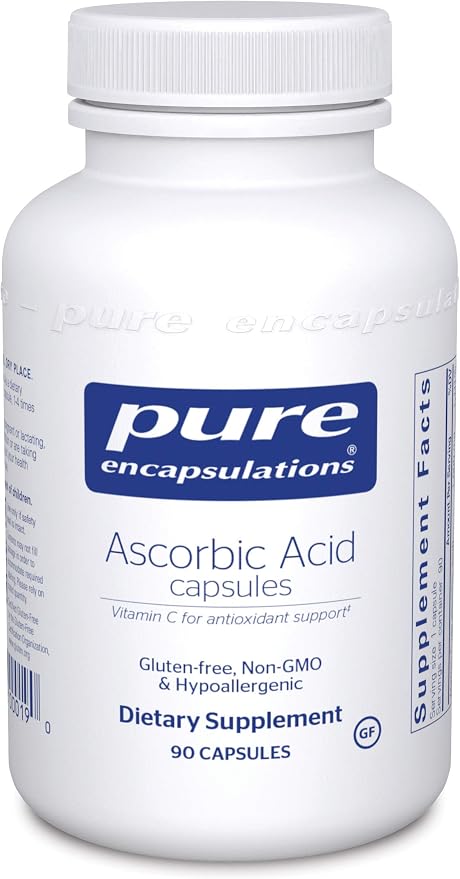
3. Pure Encapsulations Ascorbic Acid Capsules

Pure Encapsulations Ascorbic Acid Capsules

Pure Encapsulations Ascorbic Acid Capsules/Amazon.com

Pure Encapsulations is a one-of-a-kind, trusted brand offering a wide range of vegan supplement options! These Pure Encapsulations Ascorbic Acid Capsules helps each of us meet our individual daily vitamin C needs with a vegan-friendly, gluten-free, hypoallergenic, non-GMO design. Along with supporting the immune system, this vitamin C supplement is a potent antioxidant and free radical scavenger, which aids in fighting chronic disease. These capsules are hypoallergenic, which means they are free of wheat, egg, peanuts, magnesium stearate, hydrogenated fat, artificial sweeteners and colors, and other unnecessary excipients. A 90-capsule bottle costs $17.90.

L. Quadri says "This product is so worth the price! I had not found a Vitamin C pill this strength that I could swallow, until switching to these. I trust this brand and it's nice to know you're not getting a bunch of extra fillers.

4. Truvani Vitamin C

Truvani Vitamin C

Truvani Vitamin C/Amazon.com

This Truvani Vitamin C offers a USDA certified 100 percent organic source of powerful vitamin C! Truvani promises that their supplement is free of hidden "proprietary blends" and is made with only the highest-quality, natural, vegan ingredients such as amla berries. Formulated to support the immune system and promote hair, skin, and nail health via collagen production, Truvani offers complete transparency in their ingredients. A 30-serving bottle costs $24.99.

Melanie Ginsburg says "It makes me feel so much better when I know exactly what I'm putting in my body. And I love that Truvani only uses the highest quality products. It makes being healthy much easier!"

5. Doctor's Best Vitamin C with Quali-C

Doctor's Best Vitamin C with Quali-C

Doctor's Best Vitamin C with Quali-C/Amazon.com

If you're looking for a great go-to vegan supplement brand, look no further than Doctor's Best! They offer a wide range of non-GMO, gluten-free, vegan-friendly supplements at excellent prices. This Doctor's Best Vitamin C with Quali-C supplement is formulated from ascorbic acid that is prized for quality and reliability. Along with supporting the immune system, stimulating collagen production, and fighting chronic disease, this supplement supports numerous metabolic enzymes in addition to enhancing the body's total antioxidant potential. As with other Doctor's Best supplements, these capsules are vegan, gluten-free, and non-GMO.A 120-capsule bottle costs $10.15.

Amazon Customer says "The quality of these vitamins has been verified for me. Both of my children brought home bad colds from school and my husband and I avoided catching it even though we were the designated nose wipers. My mother came to visit while they still had runny noses and unfortunately she left with a cold. I now swear by these vitamins and the other variety of dr best vitamins I take daily."

6. NOW Supplements Vitamin C-1,000

NOW Supplements Vitamin C-1,000

NOW Supplements Vitamin C-1,000/Amazon.com

Along with Doctor's Best, NOW supplements are also a great go-to, affordable, vegan, and vegetarian-friendly brand! This NOW Supplements Vitamin C-1,000 is specially formulated to "provide a sustained release of vitamin C" meaning you'll get continuous support throughout the day. Plus, they source their vitamin C from one of the most natural sources, rose hips! This product is certified vegan and non-GMO, is soy-free, Kosher, and has been manufactured in a quality GMP facility. A 250-capsule bottle costs $18.70.

Jamison says "My wife and I have tried a few other vitamin C brands previously that gave her awful heartburn. We've been taking NOW vitamin C for a while now (on our second bottle) and she hasn't had any heartburn/acid reflux issues from it. The pills aren't really small but are easy to swallow in my opinion. I can't remember the last time I was sick and I believe 100% that taking vitamin C is the main reason. I'm currently taking 2 tablets a day (2,000 mg total). I take one with breakfast and one with supper. I usually increase to 4/day when I've been around others that are sick."

7. Amazon Elements Vitamin C 1000mg

Amazon Elements Vitamin C 1000mg

Amazon Elements Vitamin C 1000mg/Amazon.com

Did you know that Amazon is now producing its own supplements? And, many of them are vegan-friendly? This Amazon Elements Vitamin C 1000mg supplement comes in a whopping 300 tablets — that's an amazing 10-month supply — one of the largest doses at one of the lowest prices available on the market! Plus, these capsules are clean and pure! They're vegan, gluten-free, and contain zero artificial colors, flavors, or chemical preservatives. On top of that, they're made in a GMP facility! A 300-tablet bottle costs $17.99.

Kerrie A. says "Vitamins generally upset my stomach but this one doesn't. I've taken it once a day since I got it and it seems to be helping through winter/cold and flu season."

8.NATURELO Vitamin C with Organic Acerola Cherry and Natural Citrus Bioflavonoids

NATURELO Vitamin C with Organic Acerola Cherry and Natural Citrus Bioflavonoids

NATURELO Vitamin C with Organic Acerola Cherry and Natural Citrus Bioflavonoids/Amazon.com

This NATURELO Vitamin C with Organic Acerola Cherry and Natural Citrus Bioflavonoids offers one of the more diversely sourced vitamin C on the market. Within each time-released capsule, you'll get vitamin C sourced from acerola cherries, organic orange, and organic lemon, all of which enhance the bioavailability of vitamin C. In fact, these natural citrus bioflavonoids have been shown to "increase the absorption of vitamin C by as much as 35 [percent]." NATURELO promises its product to be vegan-friendly, plant-based, and free of GMOs, gluten, soy, yeast, dairy, eggs, nuts, caffeine, and artificial ingredients such as coloring, preservatives, and flavoring. A 90-capsule bottle costs $24.95.

A Bombich says "I have been taking NATURELO Premium Vitamin C for a number of months now. I began taking it after determining that the vitamin C sold almost everywhere over the counter is ascorbic acid, basically a chemical product. I chose Naturelo because its source was Organic Acerola Cherry, a great source. I have not particularly seen an abrupt effect after beginning to take it. I frankly did not expect to see one. Naturelo Vitamin C has become one of my daily supplements and its cost is reasonable."

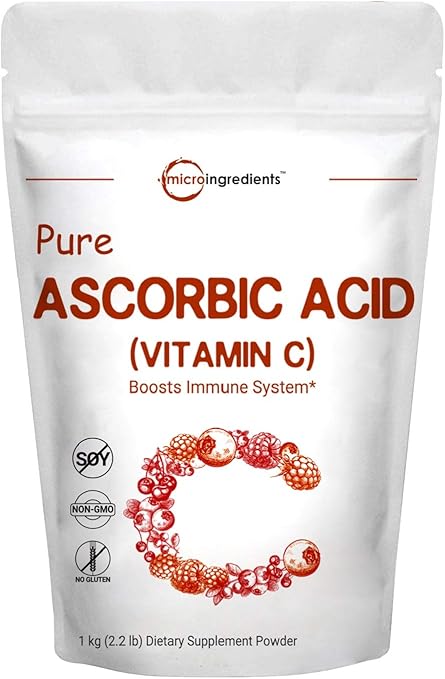
9. Pure Ascorbic Acid Powder

Micro Ingredients Pure Ascorbic Acid Powder

Micro Ingredients Pure Ascorbic Acid Powder/Amazon.com

Oftentimes, supplements just don't sit right for some of our digestive systems. Luckily, there are other options! This Micro Ingredients Pure Ascorbic Acid Powder offers a water-soluble, quick-absorption, powdered version of vitamin C that can be added to smoothies, oatmeal, or even baking recipes! This powder is rich in antioxidants and is formulated specifically to promote immune function, boost energy, and aid in overall health. This product is vegan-friendly and is free of gluten, GMOs, irradiation, additives, preservatives, and artificial colors. A 2.2-pound bag costs $25.95.

A. Frazier says "I purchased this to start taking in hopes to help ward off colds this winter. I can't really say how well it's working for that for sure, but I've been taking it a month now and my kids have had a few colds (thanks to being back to school) and I haven't caught them. So maybe it's helping or maybe I've been lucky. BUT, holy moly a side effect I wasn't anticipating was how strong my nails were going to get from taking this! I always keep my nails very short because they are so weak and brittle but they look so healthy and are so strong now. I know it's from this because I literally haven't changed anything else in my diet. As far as the taste goes, it tastes as expected. Sour like lemons. I just add it to a shot glass of water and chug it down and don't mind the flavor at all. I think the price for the amount is great. I'd imagine this bag lasting quite a long time; as I've barely made a dent in it after daily use for a month."

10. X Gold Health Premium Vitamin C 1400mg Enhanced with Citrus Bioflavonoids & Rutin

X Gold Health Premium Vitamin C 1400mg Enhanced with Citrus Bioflavonoids & Rutin

X Gold Health Premium Vitamin C 1400mg Enhanced with Citrus Bioflavonoids & Rutin/Amazon.com

This X Gold Health Premium Vitamin C 1400mg Enhanced with Citrus Bioflavonoids & Rutin offers something that the others don't — bioflavonoids enhancement via rutin. Along with other citrus bioflavonoids, rutin works synergistically to support the immune system and protect cells. On top of that, X Gold Health offers one of the most potent forms of vitamin C in 1400 milligram capsules to support immune health, collagen production, and the healing process. This product is vegan and vegetarian-friendly, non-GMO, gluten-free, third-party tested, and is free of synthetic fillers! A 120-capsule bottle costs $17.50.

lindaxyz says "I am very happy with this vitamin C not just because it is a good strong dosage but because it also has Bioflavonoids and Rutin added. This combination is wonderful to get the most out of the vitamin C. Just google the ingredients to see the health benefits! So glad I found this supplement during this pandemic. Boosting my immunity system is more important now than ever! Thankful for this great product! I've had no side effects but I do take it with food or a full glass of water."

We also highly recommend downloading our Food Monster App, which is available for iPhone, and can also be found on Instagram and Facebook. The app has more than 15,000 plant-based, allergy-friendly recipes, and subscribers gain access to new recipes every day. Check it out! For more Vegan Food, Health, Recipe, Animal, and Life content published daily, don't forget to subscribe to the One Green Planet Newsletter! Being publicly-funded gives us a greater chance to continue providing you with high-quality content. Please support us!

Food Based Vitamin C

Source: https://www.onegreenplanet.org/natural-health/10-plant-based-vitamin-c-supplements-to-boost-immune-function-and-fight-chronic-disease/

Sabtu, 07 Agustus 2021

Agustus 07, 2021

Children's Vitamin D3 Supplements / Kids Vitamin D Well Labs : Doc's kids by doctor's best children's vitamin d3 gummies 1000iu, natural fruit pectin gummies, for immune health and strong bones, strawberry, peach and mango, 60 count 4.7 out of 5 stars 121 $9.20$9.20 ($0.15/count) save $2.21 at checkout

Children's Vitamin D3 Supplements / Kids Vitamin D Well Labs : Doc's kids by doctor's best children's vitamin d3 gummies 1000iu, natural fruit pectin gummies, for immune health and strong bones, strawberry, peach and mango, 60 count 4.7 out of 5 stars 121 $9.20$9.20 ($0.15/count) save $2.21 at checkout. Children's vitamins reviews whenever possible it is recommended to get the vitamins and minerals your child needs from the food they eat. Vitamin d is essential for kids growing bones, teeth, brain and immune health. Probiotic, vitamin c, d3 & zinc for immunity, biotin, omega 3, b6, methyl b12 for energy by smartypants (120 ct, 30 day supply) packaging may vary. Top products include immune defense plus, topical vitamin patches, collagen patch, b12 energy plus vitamin, vitamin supplements to help the hair skin and nails and use our vitamin patch club to help those suffering from nutrient deficiencies can use our vitamin d3 plus vitamin patch. However, breastfed babies with ws

Just one doctor's best vitamin d3 kids gummy promotes healthy bones and teeth, while also optimizing healthy immune. 75 ($4.69/fl oz) kids vitamins: Mushrooms (edible fungus) are excellent sources of vitamin d2. Kids vitamin c bears (orange) 70 ct. Vitamin d can be found in foods such as fatty fish, eggs and fortified milk and orange juice.

Nature Made Adult Gummies Vitamin D3 Cvs Pharmacy
Nature Made Adult Gummies Vitamin D3 Cvs Pharmacy from www.cvs.com
Vitamin and mineral precautions for children. Both products contain 1,000 iu per capsule. 1,000 to 1,500 iu a day for infants 2,500 to 3,000 iu a day for children 1 to 8 years old 4,000 iu a day for children 9 years and older Plants and fungus synthesize vitamin d2 upon exposure to sunlight. Care/of offers two vitamin d products — the sunny d3 and the vegan sunny d3. Children's vitamins reviews whenever possible it is recommended to get the vitamins and minerals your child needs from the food they eat. Kids sugar free calcium with vitamin d3 (lemon) 70 ct. However, breastfed babies with ws

Look for foods fortified with vitamin d such as milk, cereal, orange juice, yogurt, and margarine.

Because of the concern that vitamin d may raise the level of calcium in the blood, current guidelines recommend that babies with ws not receive supplemental vitamin d. Sold and shipped by carlson. Kids multivitamin (strawberry) 70 ct. Find low prices on pants & more. Vitamin d is found naturally in only a few foods. A healthy diet that's based on whole foods and a variety of fresh produce will help keep your body supplied with the right nutrients for good health, while the right vitamins and supplements can fill any nutritional. Kids sugar free calcium with vitamin d3 (lemon) 70 ct. None of the kids showed signs of vitamin d toxicity. However, breastfed babies with ws Kids vitamin c bears (orange) 70 ct. 90 count (pack of 1) 4.4 out of 5 stars. Kids propolis & echinacea (raspberry) 70 ct. In addition to vitamin supplements, enriched foods are another way to increase the vitamin d in your child's diet.

With 400 iu of vitamin d3 per serving, this liquid. However, breastfed babies with ws None of the kids showed signs of vitamin d toxicity. Both products contain 1,000 iu per capsule. Plus vitamin patch with vitamin d3.

Why Would I Need A Vitamin D Prescription
Why Would I Need A Vitamin D Prescription from www.singlecare.com
Kids multivitamin (strawberry) 70 ct. The vegan supplement contains vitamin d3 sourced from algae, meaning it's. 1  however, many parents choose to give their children a multivitamin and mineral supplement to ensure they're meeting their nutritional needs, to improve overall health, and to decrease the risk of disease. Besides, vitamin d2 is also manufactured and added to supplements and used to fortify foods. 120 count (pack of 1) 4.6 out of 5 stars 6,240. Calcium and vitamin d3 help support healthy bone development. Kids propolis & echinacea (raspberry) 70 ct. Kids vitamin d3 gummy is a convenient way to give your kids 100% of their daily vitamin d.

Made in the usa for toddlers and children.

Plants and fungus synthesize vitamin d2 upon exposure to sunlight. Made in the usa for toddlers and children. Just one doctor's best vitamin d3 kids gummy promotes healthy bones and teeth, while also optimizing healthy immune. Top products include immune defense plus, topical vitamin patches, collagen patch, b12 energy plus vitamin, vitamin supplements to help the hair skin and nails and use our vitamin patch club to help those suffering from nutrient deficiencies can use our vitamin d3 plus vitamin patch. A supplement may be necessary for your child if he does not get enough vitamin d from sun exposure and fortified foods. Parents need to calculate the amount of vitamin d their child gets from fortified milk, other food, and vitamin supplements to make sure the total amount does not exceed: The vegan supplement contains vitamin d3 sourced from algae, meaning it's. Some supplements and vitamins, such as vitamin d, turmeric and magnesium, may also help relieve chronic pain and inflammation. Besides, vitamin d2 is also manufactured and added to supplements and used to fortify foods. Most of the vitamin d that people get is manufactured in the skin after exposure to the sun. Vitamin c + elderberry gummies for kids. Kids vitamin c bears (orange) 70 ct. $20.99$20.99 ($0.17/count) $19.94 with subscribe & save discount.

Song's specially formulated vitamin d3/k2. 90 count (pack of 1) 4.4 out of 5 stars. Because of the concern that vitamin d may raise the level of calcium in the blood, current guidelines recommend that babies with ws not receive supplemental vitamin d. 120 count (pack of 1) 4.6 out of 5 stars 6,240. Kids sugar free calcium with vitamin d3 (lemon) 70 ct.

Vitamin D Supplements For Infants And Kids And A Note To Pregnant Women
Vitamin D Supplements For Infants And Kids And A Note To Pregnant Women from blog.pregistry.com
Kids sugar free calcium with vitamin d3 (lemon) 70 ct. These kids vitamin d drops have a liquid formula which absorb 4x faster & more efficient than pills; Kids vitamin d3 gummy is a convenient way to give your kids 100% of their daily vitamin d. Parents need to calculate the amount of vitamin d their child gets from fortified milk, other food, and vitamin supplements to make sure the total amount does not exceed: Approximately 75% of americans are deficient in vitamin d, but it's an easy fix. Song's specially formulated vitamin d3/k2. Promotes mood balance, muscle & joint function, cardio & brain health, and more. Children's vitamins reviews whenever possible it is recommended to get the vitamins and minerals your child needs from the food they eat.

Kids vitamin c bears (orange) 70 ct.

Made in the usa for toddlers and children. Parents need to calculate the amount of vitamin d their child gets from fortified milk, other food, and vitamin supplements to make sure the total amount does not exceed: Vitamin and mineral precautions for children. 75 ($4.69/fl oz) kids vitamins: Probiotic, vitamin c, d3 & zinc for immunity, biotin, omega 3, b6, methyl b12 for energy by smartypants (120 ct, 30 day supply) packaging may vary. Vitamin d kids supplement contains pure vitamin d3 & k2 to support healthy, natural development; Vitamin d can be found in foods such as fatty fish, eggs and fortified milk and orange juice. In addition to vitamin supplements, enriched foods are another way to increase the vitamin d in your child's diet. Free shipping on orders over $75. Plants and fungus synthesize vitamin d2 upon exposure to sunlight. Because of the concern that vitamin d may raise the level of calcium in the blood, current guidelines recommend that babies with ws not receive supplemental vitamin d. Kids sugar free calcium with vitamin d3 (lemon) 70 ct. Mushrooms (edible fungus) are excellent sources of vitamin d2.

banner